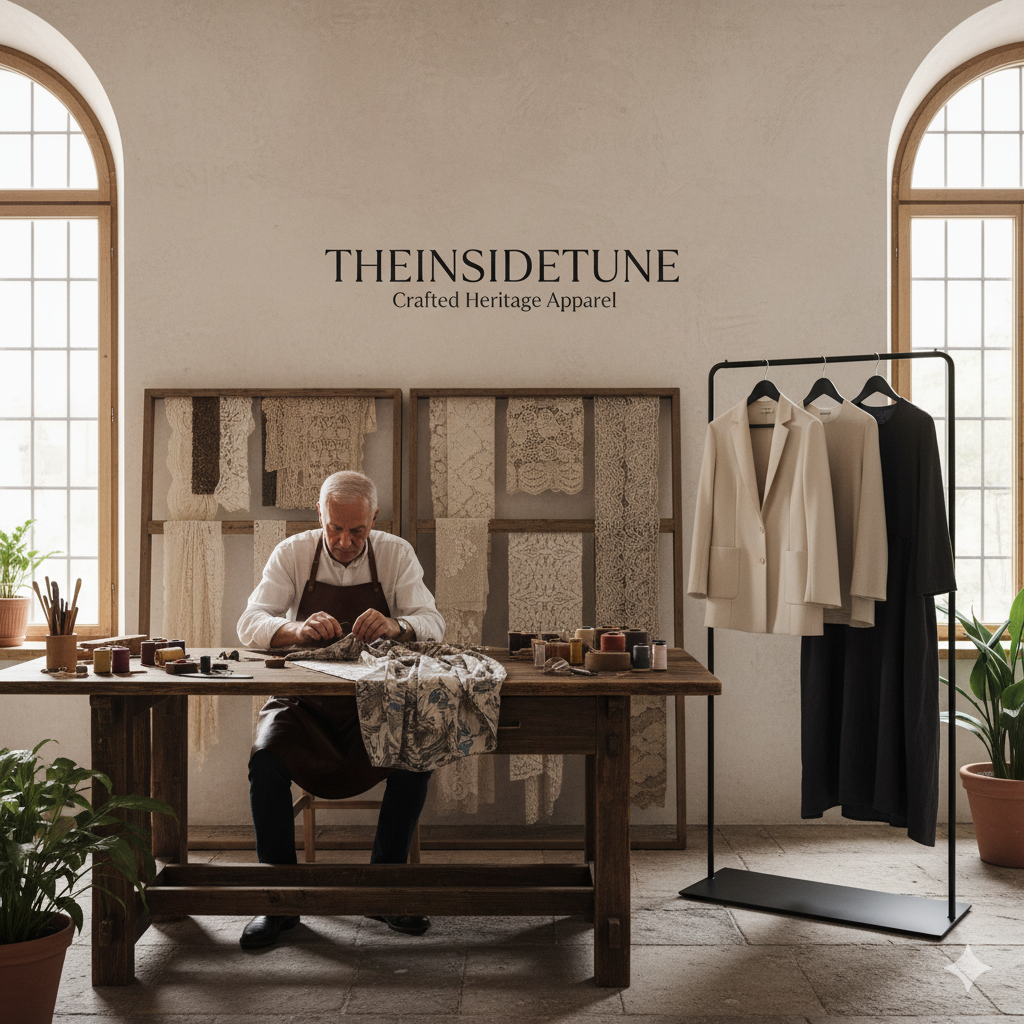
Soft light filters through a minimalist boutique filled with eco-friendly fabrics and neutral hues. Each piece tells a story of conscious creation and quiet elegance. This is where luxury meets purpose — beautifully and responsibly.
Europe has always been more than a continent of fashion; it’s a continent of stories told through fabric. Every city, from the cobblestone streets of Paris to the artistic corners of Milan, holds a heritage that has shaped how the world dresses.
Centuries ago, European fashion was rooted in power and prestige. Clothing was not merely a necessity — it was an announcement of status. The royal courts of France dictated trends, with luxurious silks, intricate embroidery, and elaborate silhouettes symbolizing authority and wealth. Meanwhile, Italy became the birthplace of refined tailoring — sharp cuts, rich textures, and the kind of craftsmanship that turned garments into heirlooms.
But as time moved forward, something remarkable happened: fashion became democratic. The 20th century saw a cultural awakening — a shift from couture exclusivity to accessibility. Paris birthed prêt-à-porter, or ready-to-wear, allowing ordinary people to embrace elegance without the price tag of custom couture.
Designers like Coco Chanel and Christian Dior revolutionized what femininity looked like. Chanel simplified luxury, introducing ease, while Dior revived opulence after wartime austerity. Across the Channel, London added rebellion — think Mary Quant’s miniskirts or Vivienne Westwood’s punk edge — giving fashion a voice of protest and personality.
Italy continued to perfect sophistication, transforming craftsmanship into international prestige through brands like Gucci, Versace, and Armani. These names became more than labels; they were love letters to artistry, family, and cultural pride.
In 2025, European fashion continues to evolve. It’s not about nostalgia or repeating what was done before — it’s about reinterpreting heritage for a new generation. Tradition is no longer static; it’s fluid. Designers are using technology to preserve craftsmanship, not replace it. They’re finding beauty in sustainability, turning old techniques into modern statements.
From couture salons to contemporary ateliers, European fashion remains a dialogue between past and future — a story constantly being rewritten, one stitch at a time.
Europe’s Fashion Soul, Ready to wear 2025 best by Theinsidetune
🧵 The Rise of Ready-to-Wear — Luxury for Real Life
Luxury used to be something untouchable — silks sewn in secret ateliers, gowns made only for those who could afford appointments at couture houses. But Europe has changed that story. Today, ready-to-wear — or as the French say, prêt-à-porter — has become the beating heart of modern European fashion. It’s the bridge between fantasy and everyday life, where luxury finally feels human.
In 2025, the European wardrobe is about more than beauty — it’s about rhythm, motion, and emotion. The kind of clothes that make you feel at home anywhere: on a Parisian street corner, in a Milan café, or during a brisk walk through Copenhagen’s harbor wind.
Ready-to-wear is where artistry meets practicality. It’s where beautifully structured tailoring coexists with soft, breathable fabrics. Where elegance no longer means discomfort — it means confidence in your own skin.
🌿 The New Philosophy of Dressing
Today’s European designers understand something deeply human: we want clothes that live with us, not just on us. The modern ready-to-wear wardrobe follows a quiet code:
Ease: Pieces should move with the body — no stiffness, no restriction.
Versatility: A blazer should look as natural at a café table as it does in a meeting room.
Longevity: Quality matters more than quantity. One perfect wool coat outlives ten synthetic ones.
Identity: Each outfit should express personality, not just trend-following.
This is why Europeans look effortlessly stylish — their wardrobes aren’t random; they’re curated. They invest in key staples: a neutral trench, a pair of well-cut trousers, classic leather boots, and a tailored coat that tells a story every winter.
🕊️ Designers Defining Modern European Elegance
Across the continent, designers are reimagining what luxury means.
In France, Isabel Marant brings that bohemian Parisian spirit — relaxed silhouettes, earthy tones, and just the right touch of undone chic. In Italy, Max Mara perfects quiet sophistication — long camel coats, soft tailoring, and a color palette that whispers “timeless.” In London, The Row and Victoria Beckham redefine minimalism — strong lines, fine materials, and silhouettes that flow effortlessly. And in the Nordic countries, brands like Ganni, Acne Studios, and Filippa K prove that fashion can be joyful, sustainable, and wearable all at once.
Even emerging designers are embracing authenticity. Labels like Nanushka (Hungary) and Aeyde (Germany) merge ethics with aesthetics — creating pieces made to last, made to love, and made responsibly.
💫 Ready-to-Wear in 2025 — A Reflection of Real Life
What’s most fascinating about ready-to-wear today is that it doesn’t aim to impress; it aims to connect. You’ll see a woman in Paris pairing vintage denim with a silk blouse, or a man in Milan layering neutrals with quiet confidence. They don’t chase trends — they build style rituals.
European fashion in 2025 is luxury you can walk in, sit in, live in. It’s silk dresses with sneakers, structured coats with flowy skirts, and bags that can carry your world but still look elegant.
The continent that once invented couture has now mastered something even more beautiful — the art of effortless living.
Ready-to-wear is not the “simpler” sibling of couture anymore; it’s its evolution — the everyday poetry of European life, stitched with grace, intention, and soul.
🎨 Cultural Diversity and Regional Style Identities
If Europe were a wardrobe, it would be a masterpiece of contrasts — a collection where every country contributes its own thread of personality. From Paris’s romantic sophistication to Milan’s sharp tailoring and Stockholm’s minimalist charm, Europe’s fashion culture is as diverse as its languages and landscapes.
This is what makes European ready-to-wear so endlessly fascinating: it isn’t a single aesthetic, but a dialogue between centuries of tradition, climate, and character.
Europe’s Fashion Soul, Ready to wear 2025 best by Theinsidetune
🇫🇷 France — The Art of Effortless Chic
Let’s start in Paris, where fashion is more than clothing — it’s a state of mind. The French woman doesn’t dress to be noticed; she dresses to be remembered. Her wardrobe whispers confidence: a crisp white shirt, tailored blazer, high-waisted jeans, a silk scarf tied just right. Everything looks accidentally perfect.
French ready-to-wear is about subtle sensuality — fabrics that flow, tones that blend, and silhouettes that move gracefully from morning espresso to evening wine. Think of Chloé’s soft bohemian dresses, Sézane’s romantic knits, or A.P.C.’s structured denim — every piece tells a story of timeless femininity wrapped in ease.
Even French men embody that same balance: fitted jackets, neutral palettes, and the ability to make casual look refined. Parisian style isn’t about showing off; it’s about restraint — the quiet confidence of knowing who you are.
🇮🇹 Italy — Tailoring Meets Passion
Travel south to Italy, and the tone shifts — style here is a language of expression, emotion, and excellence. Italians live fashion the way they live life: with warmth and flair. Walk through Milan, and you’ll see the art of craftsmanship everywhere — from perfectly cut suits at Giorgio Armani to the bold prints of Versace, the romantic tailoring of Dolce & Gabbana, and the polished simplicity of Max Mara.
Italian ready-to-wear celebrates the beauty of form — how fabric drapes, how color enhances skin tone, how texture brings dimension. The modern Italian aesthetic is both elegant and sensual, a reflection of la dolce vita — the sweet life. Even a simple outfit here carries a sense of pride, precision, and personality.
In Italy, quality is the highest fashion statement. A good leather bag or pair of handcrafted shoes is not a luxury — it’s a necessity. Every piece is made to last, to age beautifully, and to tell its story over time.
Cross the Channel, and London greets you with contrast — tradition and rebellion coexisting in the same outfit. The British approach to ready-to-wear is about mixing heritage with individuality. You’ll see someone wearing a tailored Burberry trench with sneakers, or pairing a tweed blazer with vintage jeans.
The UK’s fashion scene is deeply layered. From Savile Row tailoring to Alexander McQueen’s avant-garde drama, and Stella McCartney’s sustainable minimalism, Britain celebrates creative tension — old meets new, bold meets refined.
Londoners love to play with identity. They experiment fearlessly — a reflection of the city’s diversity. From edgy streetwear in Shoreditch to minimalist cool in Chelsea, British fashion thrives on personal freedom and cultural fusion.
🇪🇸 Spain — Vibrant, Artistic, and Free-Spirited
Spain’s style story is painted with sunlight, texture, and color. The country’s fashion DNA combines Mediterranean ease with dramatic artistry. Think flowing silhouettes, embroidered details, earthy fabrics, and a natural sensuality that feels both ancient and modern.
Spanish ready-to-wear labels like Massimo Dutti, Mango, and Loewe (under Jonathan Anderson’s creative direction) are redefining modern luxury — combining tradition with innovation.
What sets Spanish fashion apart is its energy. It’s expressive but never overdone. Whether it’s a ruffled blouse inspired by flamenco, a structured leather piece from Loewe, or the relaxed linen sets of Ibiza, there’s always movement — fashion that dances with life.
German style doesn’t shout — it speaks with precision. In Berlin, minimalism and functionality are the foundations of ready-to-wear. It’s about purposeful design — neutral colors, innovative fabrics, and silhouettes that blend structure with ease.
Brands like Jil Sander, Hugo Boss, and Aeyde represent this mindset. Their pieces are timeless and confident — perfect for a lifestyle that values efficiency, sustainability, and quiet elegance.
Modern German fashion also embraces inclusivity and eco-consciousness. Designers prioritize ethical production, transparency, and durability — creating a future-focused wardrobe that feels responsible and refined.
🇩🇰 The Nordic Influence — Minimalism with a Heart
Head north, and fashion softens into something almost poetic. Scandinavian ready-to-wear — from Ganni, Acne Studios, and COS — is about clean design, soft tones, and practical beauty. It’s minimalist, yes, but never cold. Every piece has warmth — like the golden glow of candlelight in a cozy Copenhagen café.
Scandinavian fashion embodies “lagom” — the Swedish philosophy of balance and moderation. Clothes are simple, functional, and beautiful in their honesty. The goal isn’t to stand out but to live beautifully, comfortably, and consciously.
Sustainability is also central here — recycled fabrics, ethical labor, and timeless designs replace seasonal excess. The result? A wardrobe that feels fresh and moral at the same time.
🌍 Europe — A Tapestry of Identities
Together, these regions create a breathtaking mosaic — proof that fashion is both universal and deeply local. Europe’s ready-to-wear industry thrives because it honors diversity while celebrating craftsmanship. Whether it’s Parisian chic, Italian tailoring, British edge, or Nordic simplicity, each style tells the same story in a different accent:
“Fashion is not just what we wear — it’s how we live.”
🌱 The Heart of EUROPE FASHION— Sustainability, Ethics, and Conscious Luxury
Once upon a time, European fashion was about glamour — silk gowns, high heels, and couture dreams. But today, there’s a quiet revolution happening across ateliers and studios from Paris to Copenhagen. Fashion is no longer just about looking good; it’s about doing good — for people, for the planet, and for the future.
The modern European wardrobe reflects a cultural awakening — a deep awareness that style without conscience is no longer chic. Ready-to-wear fashion, once known for accessibility and speed, is now being redefined through sustainability, craftsmanship, and mindful design.
Europe’s Fashion Soul, Ready to wear 2025 best by Theinsidetune
♻️ The Rise of Conscious Fashion
Across Europe, designers are asking hard questions: Who made our clothes? What’s their impact on the planet? How can we create beauty responsibly?
From Paris Fashion Week’s sustainable showcases to Copenhagen’s eco-conscious runways, the shift is visible. The conversation has moved beyond trends to values — materials, labor, and longevity now matter as much as silhouette and style.
Scandinavian brands like Ganni, Filippa K, and ARKET lead the charge by using recycled fibers, organic cotton, and transparent supply chains. Meanwhile, Italian ateliers such as Gucci and Prada are embracing circular fashion — designing with materials that can be reused, repurposed, or biodegraded.
This isn’t just marketing; it’s a new mindset — a promise that luxury can coexist with responsibility.
🪡 Craftsmanship as Sustainability
One of Europe’s greatest strengths has always been craftsmanship — the hands, hearts, and history behind every garment.
In Italy, small family-run workshops continue to make shoes, bags, and coats using centuries-old techniques. In France, the artisanal culture of haute couture still influences ready-to-wear — precision stitching, hand-finished hems, and impeccable tailoring. In Spain, leather artisans from Andalusia and Toledo produce ethically sourced, long-lasting pieces that become heirlooms.
This slow, deliberate approach to making clothes is the antidote to fast fashion. European ready-to-wear is built on the belief that quality outlasts quantity — that a single, beautifully made blazer or wool coat can serve for decades, aging gracefully and carrying personal history within its fabric.
🌿 The Material Revolution
The fabrics themselves are changing too. Where once polyester ruled, now eco-friendly textiles are taking over — organic cotton, Tencel, linen, hemp, and recycled wool.
Italy’s textile industry, long famous for luxury materials, has turned toward bio-based innovations, blending tradition with technology. In France, brands like Patou and Maje are using deadstock fabrics — high-quality leftover textiles — to create new collections without waste. And in the Nordic region, minimalistic fashion houses focus on local sourcing, using small production runs to minimize environmental footprints.
Sustainability here isn’t just a marketing label — it’s a craft philosophy. European designers don’t just choose fabrics for how they look, but for how they live: how they breathe, age, and return to the earth.
🌍 Fair Fashion — People Behind the Process
Sustainability isn’t only about the planet — it’s also about people. European brands are increasingly transparent about working conditions, fair wages, and community impact.
Labels like People Tree (UK), ArmedAngels (Germany), and Veja (France) have built entire brands around ethical production and human dignity. Their message is simple: Every stitch has a story.
When you buy a handmade jacket from a European artisan or a sustainable brand, you’re not just wearing fabric — you’re supporting someone’s skill, passion, and livelihood.
This human-centered fashion is what gives European ready-to-wear its soul — it’s not only made for people but by people, with care and consciousness.
🧵 Timelessness Over Trendiness
In today’s Europe, the most fashionable thing you can do is not chase fashion at all. The “wear once” culture is fading, replaced by a love for pieces that can be styled endlessly and worn for years.
Parisian women are known for rewearing their favorite trench coats every fall. Italians treasure handcrafted loafers that last a lifetime. Scandinavians invest in simple silhouettes they can mix, layer, and reinvent.
This shift toward slow fashion reflects a broader European philosophy — that true elegance lies in restraint, durability, and authenticity.
It’s not about having more clothes, but having the right clothes — pieces that feel good to wear and even better to keep.
As climate awareness grows and consumer values evolve, Europe is leading the charge toward a fashion renaissance — one where art, ethics, and environment walk hand in hand.
The future European wardrobe will likely be:
Circular: Clothing designed to be recycled or resold.
Traceable: Every item’s journey — from farm to fabric — known and shared.
Personalized: Tailoring and technology combining for custom fits, reducing waste.
Emotionally durable: Pieces that tell stories, evoke memories, and inspire care.
Fashion houses are no longer just selling clothes — they’re selling a philosophy of mindful living.
💬 In Essence
European ready-to-wear fashion is no longer about the rush of the runway — it’s about the rhythm of responsibility. It’s the marriage of beauty and ethics, where the glamour of a Parisian coat or the simplicity of a Copenhagen dress comes with a quiet promise:
Style should never come at the cost of the world that inspires it.
If there’s one thing certain about fashion in 2025, it’s that Europe has entered a new era — one where technology meets tradition, comfort meets couture, and sustainability meets self-expression.
Ready-to-wear is no longer about keeping up with trends; it’s about keeping pace with life. European designers and consumers alike are redefining what it means to dress well — and the conversation has become richer, more conscious, and infinitely more personal.
Europe’s Fashion Soul, Ready to wear 2025 best by Theinsidetune
👗 The Rebirth of Ready-to-Wear
In 2025, European ready-to-wear is thriving — not because it’s fast, but because it’s smart. Designers have shifted from producing seasonal “drops” to creating modular, timeless collections — clothes that evolve with the wearer, not the trend cycle.
Think of Max Mara’s soft tailoring, The Row’s minimalist structure, or Totême’s quiet luxury aesthetic — pieces designed to blend into every chapter of your life, not just one season.
The idea is simple: fashion should fit your lifestyle, not demand one.
👠 Quiet Luxury, Loud Identity
The phrase “quiet luxury” has defined European fashion in 2025. But make no mistake — it’s not about being plain. It’s about subtle sophistication, where quality speaks louder than logos.
People are gravitating toward brands like Loro Piana, Brunello Cucinelli, and The Row, which offer craftsmanship and texture rather than flashy branding. The message? “I care about how it’s made, not who made it.”
At the same time, a counter-movement of bold individuality thrives alongside it — led by Gen Z and millennial creatives who love mixing vintage with digital couture, wearing thrifted jackets with AI-designed accessories, or pairing handmade jewelry with tech-inspired fabrics.
It’s a thrilling time — a mix of restraint and rebellion, elegance and experimentation.
🧥 Regional Inspirations, Global Appeal
Europe’s ready-to-wear scene has never been more interconnected. Designers are borrowing freely — the Parisian minimalism meets Italian tailoring, Nordic simplicity pairs with London streetwear edge.
The result? A cross-European aesthetic that feels global yet deeply rooted in local character. For instance:
Copenhagen Fashion Week now influences trends far beyond Scandinavia, emphasizing sustainable chic.
Milan’s catwalks still dominate tailoring but have become softer, more inclusive, and eco-minded.
Paris, once synonymous with haute couture, now celebrates ready-to-wear brands that blend elegance with ease — from Ba&sh to Isabel Marant.
Berlin has become Europe’s creative underground, merging streetwear, gender-fluid design, and upcycling art.
Fashion is no longer centralized — it’s collaborative, like a cultural jam session where every designer adds their own rhythm.
💻 The Digital Revolution in Fashion
The digital landscape has reshaped the entire European ready-to-wear industry. Gone are the days when style was only discovered in glossy magazines or luxury boutiques. Now, fashion lives on screens, streams, and social feeds — yet remains deeply human at its core.
In 2025, AI-assisted design tools are helping small brands compete with big houses by predicting fabric needs, minimizing waste, and customizing fits for different body types. Virtual fashion shows and 3D try-ons are redefining the consumer experience — allowing shoppers to “try” a Parisian jacket or Milanese loafers from their living rooms.
Even heritage brands like Dior, Prada, and Burberry have embraced digital craftsmanship — using AI not to replace creativity, but to enhance it. It’s a modern renaissance — a world where pixels and patterns dance together, where tradition meets technology in the most graceful way.
🧍♀️ The New European Consumer
The new generation of European fashion consumers isn’t just stylish — they’re intentional. They want to know the story behind what they wear:
Where was this made?
Who crafted it?
What impact did it leave?
They’re looking for purpose-driven fashion — brands that align with their personal values of sustainability, inclusivity, and individuality.
This consumer shift has pushed designers to create not just products, but experiences. Boutiques are becoming art spaces, blending retail with storytelling. A visit to a Milan concept store or a Parisian atelier in 2025 feels like stepping into the designer’s mind — textures, sketches, and music all telling one cohesive story.
Perhaps the most beautiful change in Europe’s ready-to-wear landscape is its growing inclusivity. Designers are finally celebrating real people — all sizes, shades, and stories.
Runways across Europe now feature mature models, plus-size icons, and differently-abled talents. Campaigns embrace cultural diversity, reflecting Europe’s evolving identity as a vibrant, interconnected continent.
This inclusivity isn’t performative — it’s personal. It’s about creating fashion that truly represents Europe as it is today: dynamic, diverse, and beautifully complex.
📈 The Business of Emotion
Fashion in 2025 is emotional — and Europe has mastered that balance. Consumers no longer shop out of impulse; they shop out of connection. They buy the jacket that reminds them of their first Paris trip, the linen dress that feels like summer in Greece, or the scarf that tells a story of craftsmanship in Florence.
Ready-to-wear has become a language of emotion — wearable memories that blend nostalgia, aspiration, and identity. And that’s the secret of Europe’s enduring fashion magic: it doesn’t just clothe the body — it dresses the soul.
✨ In a Nutshell
European ready-to-wear in 2025 isn’t just about what’s trending — it’s about what matters. It’s a living, breathing art form that bridges past and future, stitches culture into comfort, and invites everyone to express their truest selves — one piece, one story, one outfit at a time.
“The new luxury isn’t about owning more — it’s about owning better.”
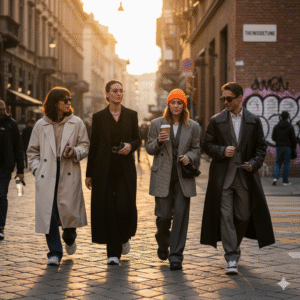
If haute couture is Europe’s crown, then street style is its heartbeat. It’s what you see when you wander through Parisian boulevards, Milanese cafés, or Amsterdam canals — real people, in real clothes, blending comfort, creativity, and quiet confidence.
Because in Europe, fashion isn’t reserved for the runway — it lives on the streets, metros, and marketplaces, carried by people who know how to make ordinary pieces look extraordinary.
Europe’s Fashion Soul, Ready to wear 2025 best by Theinsidetune
🌆 The Everyday Aesthetic — Effortless Yet Intentional
Step onto any European street, and you’ll notice something immediately: people don’t look “dressed up,” yet somehow, they look perfectly put together.
That’s the secret of European style — effortless polish. It’s the art of combining comfort and charm, knowing how to dress for the day without losing your personal flair.
A Parisian woman might wear wide-leg trousers, a tucked-in blouse, and loafers, topped with a slightly messy bun and red lipstick — never overdone, always elegant. A Milanese man might throw on a tailored blazer over a plain T-shirt, paired with crisp jeans and suede shoes — casual yet cultivated. In Amsterdam, you’ll see people mastering bike-ready fashion — trench coats, chunky knits, and sneakers that balance utility with style.
It’s fashion that moves with life — not the other way around.
☕ Paris — The Capital of Subtle Sophistication
In Paris, street style feels like poetry — romantic, minimal, and personal. Here, the mantra is: less is more, but make it meaningful.
People love neutrals — beige, navy, black, and soft cream — combined with texture-rich fabrics like wool, silk, or linen. Accessories are minimal but thoughtful: a silk scarf, leather crossbody bag, or a pair of vintage sunglasses.
The Parisian secret? It’s never about the price tag — it’s about the attitude. A €30 thrifted coat can look like designer couture if worn with the right confidence.
And yes, the “je ne sais quoi” isn’t just a phrase — it’s a lifestyle.
🕶️ Milan — Where Elegance Meets Energy
In Milan, street style is alive — colorful, dynamic, and expressive. Fashion here is an everyday celebration — bold prints, structured blazers, flowing skirts, and statement accessories all coexist effortlessly.
Italians believe in bella figura — the idea that how you present yourself to the world reflects your self-respect. So even a simple stroll to the café feels like an event. Women often pair fitted jeans with tailored blouses, gold jewelry, and polished loafers, while men favor well-fitted suits, even for casual errands.
It’s not vanity — it’s passion. Italian street style is where luxury meets love of life.
🌧️ London — Bold, Eclectic, and Fearlessly Free
London street style is like the city itself — unpredictable, creative, and wonderfully diverse.
From vintage trench coats in Notting Hill to punk-inspired boots in Camden, gender-fluid fits in Shoreditch, and chic minimalist looks in Chelsea, London is a living runway where every corner tells a new fashion story.
The magic lies in mixing eras and influences. A thrifted jumper might meet a high-end bag; a classic plaid skirt could be paired with combat boots. Londoners love contradictions — and somehow, it always works.
It’s less about perfection and more about personality. In London, clothes are a voice — and everyone has something to say.
❄️ Copenhagen and Stockholm — The Nordic Cool
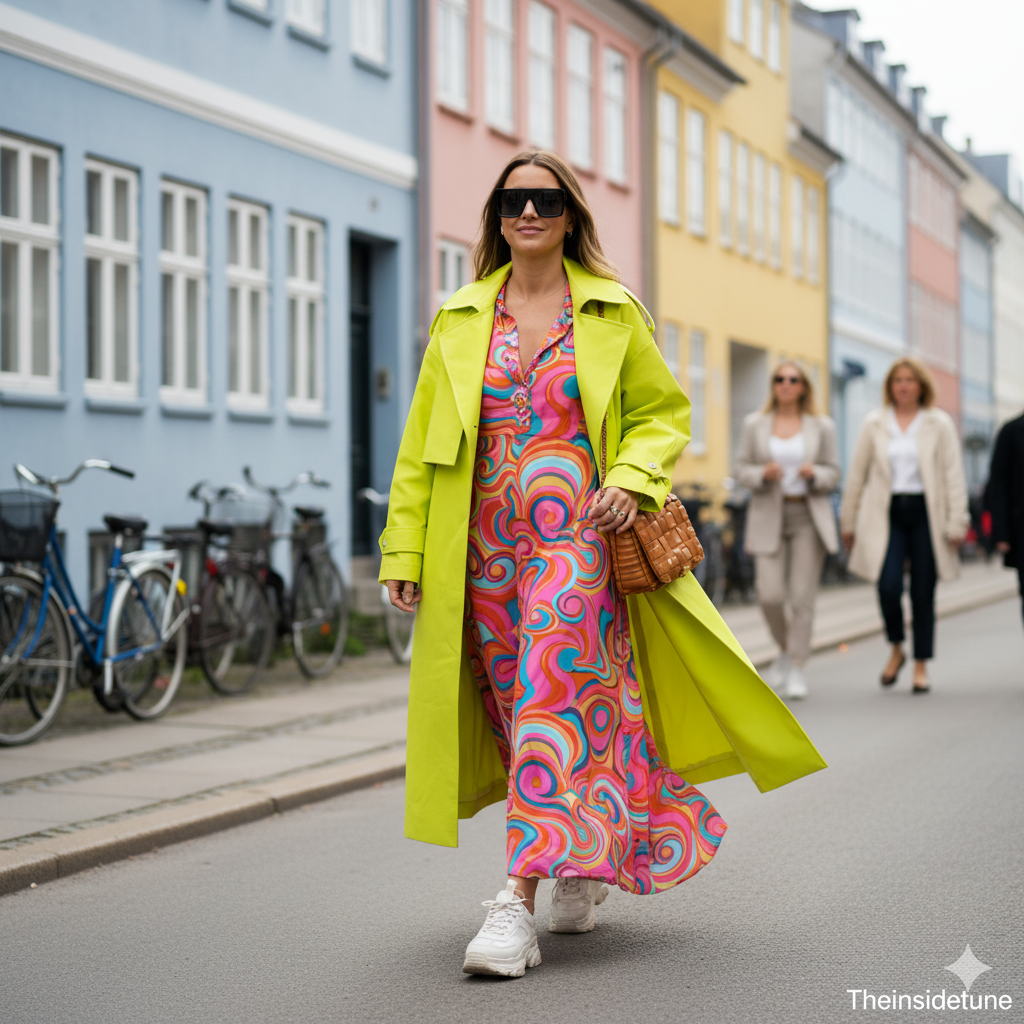
Scandinavia has redefined European street style with its minimalist, functional aesthetic. In Copenhagen or Stockholm, fashion feels calm and composed — neutral palettes, simple lines, and eco-conscious materials dominate the streets.
You’ll see oversized coats, structured trousers, and chunky sneakers — effortlessly balancing style and comfort. The philosophy is “less, but better.” Every piece serves a purpose, every outfit feels intentional.
Scandinavian street style is also a quiet statement of values — sustainability, comfort, and authenticity. It’s proof that fashion doesn’t need to shout to be heard.
☀️ Barcelona — Vibrant, Relaxed, and Playful
Head south to Spain, and the streets tell a different story — one filled with warmth, color, and rhythm. In Barcelona, style feels like sunshine — flowy dresses, linen shirts, straw hats, and woven bags.
The Mediterranean influence brings a sense of ease. People dress beautifully but casually — everything is light, breathable, and alive with movement.
Evenings call for a subtle glam-up: gold hoops, espadrilles, and a splash of color. Spanish street style captures joy — it’s expressive, free-spirited, and always ready for a spontaneous sunset dinner by the sea.
Berlin is Europe’s fashion rebel — where underground culture meets conscious design. Here, street style is less about brand names and more about self-expression.
You’ll find monochrome outfits, layered textures, utility jackets, and vintage finds. The city thrives on individuality — gender-neutral silhouettes, upcycled materials, and avant-garde streetwear define its look.
Berliners embody the “I dress for myself” philosophy. They don’t chase perfection; they chase authenticity. Their fashion is political, emotional, and deeply artistic — a mirror of the city’s creative spirit.
👟 The European Formula: Comfort + Character
What ties all these styles together? A shared belief that comfort and character can coexist beautifully. Europeans invest in versatile staples — trench coats, tailored trousers, crisp shirts, and leather boots — then bring them to life with subtle personal touches.
No one is trying too hard, yet everyone looks like they belong in a fashion editorial. Because for Europeans, dressing well isn’t about showing off — it’s about self-respect, practicality, and storytelling.
Every outfit says: I care about the details, but I care about living more.
✨ In Short
European street style in 2025 is a masterclass in effortless individuality. It’s where sustainability meets spontaneity, tradition meets playfulness, and fashion finally feels like a second skin — comfortable, expressive, and true.
“The best-dressed people in Europe don’t follow trends — they live them, breathe them, and make them their own.”
The Future of European Ready-to-Wear Fashion — Where Heritage Meets Innovation
European fashion has always danced gracefully between the lines of tradition and transformation. As we look ahead, the ready-to-wear scene in Europe is becoming an even more fascinating blend of timeless craftsmanship and futuristic innovation. The future isn’t just about what we wear — it’s about why and how we wear it.
Europe’s Fashion Soul, Ready to wear 2025 best by Theinsidetune
1. The Rise of Sustainable Luxury
Europe is leading the world in redefining what “luxury” truly means. No longer confined to high price tags and exclusivity, luxury is now synonymous with sustainability, transparency, and ethical craftsmanship. Brands like Stella McCartney in London, Veja in France, and Filippa K in Sweden are pushing forward the eco-conscious fashion revolution. They focus on recycled fabrics, low-impact dyes, and traceable production lines. Paris Fashion Week now often highlights designers who merge elegance with eco-awareness — showing that chic and conscious can go hand in hand.
Even heritage houses like Gucci and Burberry are taking meaningful steps toward carbon neutrality, circular fashion, and digital traceability. Consumers are responding — today’s European shoppers want to know the story behind their clothes, the artisans who made them, and the environmental footprint they leave behind.
2. Tech-Infused Fashion — Where Innovation Meets Wearability
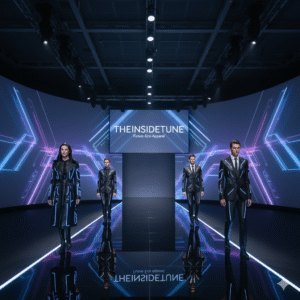
Europe’s ready-to-wear scene is also entering a thrilling tech era. Think smart textiles, 3D printing, and digital fashion runways. Brands like Balenciaga and Coperni are experimenting with wearable tech — from dresses that light up and react to body movement to fully virtual fashion shows where avatars strut instead of models.
In cities like Berlin and Amsterdam, fashion startups are merging artificial intelligence with design to predict trends and customize clothing. AI styling tools, virtual fitting rooms, and augmented reality shopping experiences are already transforming how Europeans choose their outfits.
3. Streetwear and High Fashion — A Beautiful Collision
What was once a divide between couture and casual has now completely blurred. Streetwear is no longer “underground” — it’s on the runways of Milan, Paris, and Copenhagen. European designers are embracing a new definition of style that reflects individual freedom, self-expression, and inclusivity. You’ll see hoodies paired with tailored blazers, sneakers under silk skirts, and oversized trench coats styled with statement belts.
This “relaxed elegance” captures the modern European attitude — confident yet effortless. It’s a style that says, “I care, but I’m comfortable.”
4. Inclusivity and Cultural Diversity on the Runway
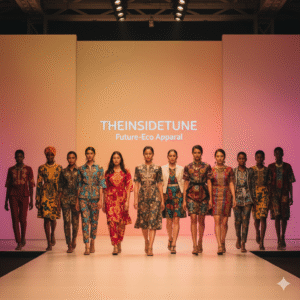
Another defining feature of the future is representation. European fashion is opening its doors wider than ever — welcoming diversity in ethnicity, body type, gender identity, and cultural expression. Runways across Europe now feature models of different ages and backgrounds, and many brands are collaborating with designers from Africa, Asia, and the Middle East to create globally inspired collections that reflect a modern, multicultural Europe.
This shift is not just about trends; it’s about a cultural awakening. Fashion is becoming a reflection of the real people who wear it — not just an exclusive fantasy world.
5. Craftsmanship Reimagined — Tradition in a Modern Frame
While innovation races ahead, Europe’s deep-rooted artisanal traditions continue to hold immense value. Whether it’s the hand-stitched tailoring of Naples, the lacework of Bruges, or the wool craftsmanship of the Scottish Highlands, local artisans are finding new ways to thrive in the global market.
Younger designers are also reviving these crafts with a modern twist — turning heritage techniques into contemporary pieces. It’s the perfect balance between preserving heritage and celebrating progress.
6. The Emotional Connection — Fashion as Identity
Fashion in Europe is no longer about following trends — it’s about telling your story. The ready-to-wear industry is increasingly celebrating individuality, personal connection, and emotional meaning.
People are investing in fewer pieces but of higher quality — clothing that lasts, both physically and emotionally. The “buy less, choose well” philosophy echoes throughout Europe’s fashion capitals. Wearing something becomes an act of identity, emotion, and purpose.
7. Europe’s Timeless Fashion Spirit
As the world shifts toward conscious consumption and digital creativity, Europe remains the heartbeat of global fashion — not because it dictates trends, but because it defines elegance through meaning.
The future of ready-to-wear in Europe is one where style meets substance, where sustainability is not a statement but a standard, and where fashion continues to celebrate the beautiful complexity of human expression.
Whether you’re walking through the cobbled streets of Florence, catching the metro in Paris, or biking through Amsterdam, one thing remains constant — European fashion is not just something you wear. It’s a lifestyle, a mindset, and a quiet yet powerful form of art.
Fashion in 2025: Why Loud Is the New Chic 🌈 The story of fashion is always a story of cycles. Every decade, the pendulum swings: when things get too minimal, the world craves more expression;…
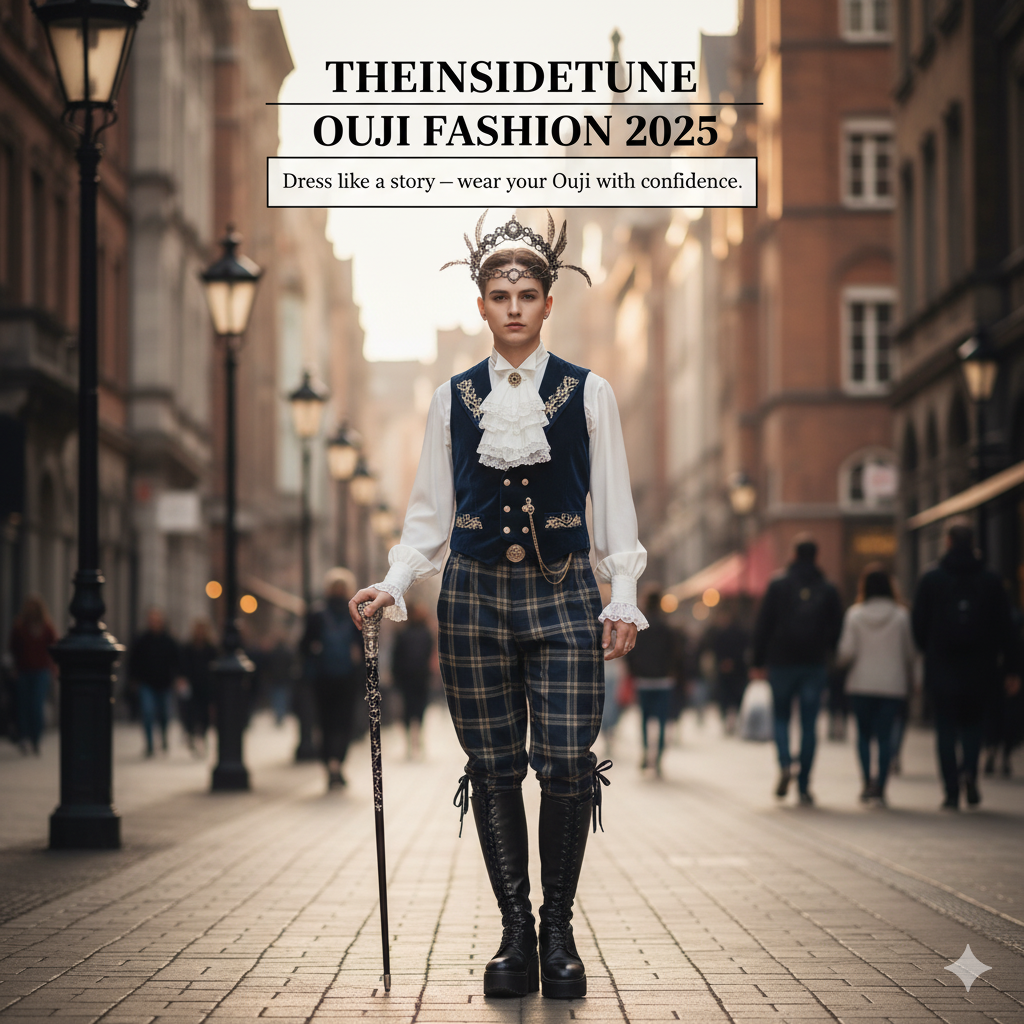
👑META DESCRIPTION The Ultimate Guide to Ouji Fashion in 2025 Prince style, substyles, shopping, and how to wear it like you mean it. EVERY DETAIL THAT YOU NEED FOR A TRADITIONAL LOOK! ✨ A Little…
🌿 Women’s Summer Fashion 2025 ;Effortless Elegance 🌞 Introduction: Dressing for Lightness and Grace Summer has always been the season of transformation. As the days stretch longer and the air turns warmer, women instinctively reach…