The Sustainability Secret Behind Vintage Fashion 2025; The Global Vintage Movement, Where Culture Meets Conscious Style, Redefining Sustainability — One Timeless Piece at a Time
The Timeless Connection Between Vintage and Sustainability
There’s a certain magic in vintage fashion — a quiet, soulful kind of magic that doesn’t scream for attention, but lingers softly, like perfume from another time.
You can feel it the moment your fingers trace an old velvet lapel or the gentle wear on a silk sleeve. It’s not just fabric — it’s memory. It’s history stitched into form.
Every vintage piece tells a story. Some of those stories are loud — a 1970s disco dress that saw glittering nights and flashing lights. Some are quiet — a wool coat that once walked through rainy streets, carrying its owner home. Yet no matter where these garments have been, they carry a spirit of endurance. They’ve lived, and they continue to live on with you.
That’s where the true beauty of vintage lies: it’s fashion that doesn’t fade — it evolves.
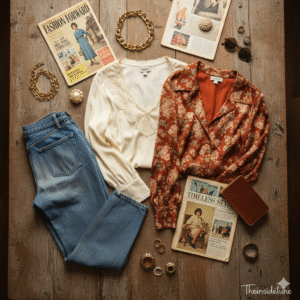
💚 Beyond Fashion: A Philosophy of Care
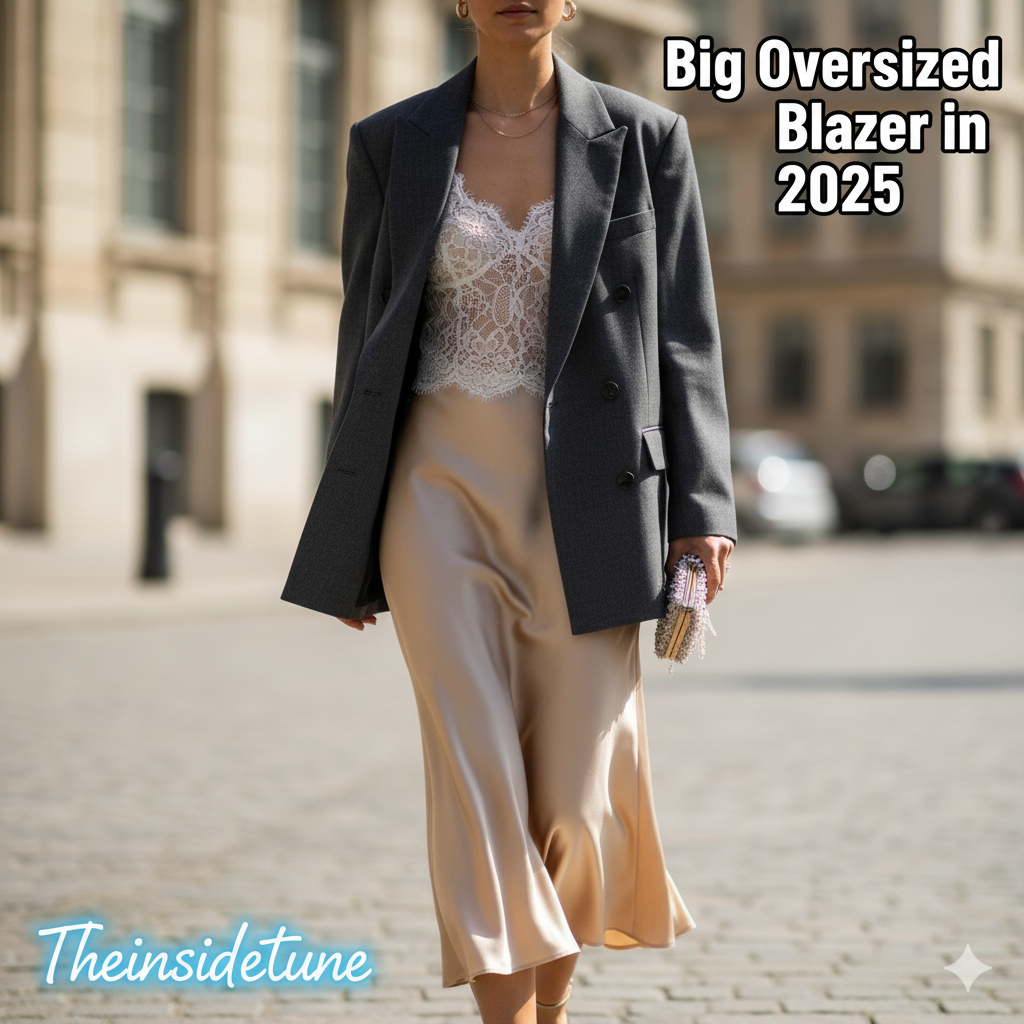
We live in a world that thrives on speed — fast Wi-Fi, fast food, fast fashion. Trends come and go faster than we can blink. One month it’s oversized blazers, the next it’s micro skirts, and in the middle of it all, closets overflow while landfills do too.
But vintage moves differently. It resists that urgency. It whispers instead of shouts.
Wearing vintage is a reminder that good things — like great style — take time.
It’s an invitation to slow down.
To look closely at the details — the hand-sewn buttons, the intricate lining, the gentle fade of fabric that no machine can replicate.
To fall in love not with what’s trending, but with what’s timeless.
Sustainability isn’t only about recycling; it’s about rethinking our relationship with what we own. Vintage fashion embodies that shift beautifully. When you choose vintage, you’re choosing care over consumption. You’re saying, “I value what already exists.”
And that single choice, multiplied by millions of conscious consumers, can reshape the entire industry.
🌿 Fashion with a Soul
Most modern clothes are made to be worn and discarded — a brief fling. But vintage fashion is a long-term love affair. It’s made to stay, to be cherished, repaired, and reimagined.
Each vintage piece carries a human story — one that began decades ago with someone’s excitement over their new dress or the pride of owning a perfectly cut suit. When you wear it now, you’re not erasing that history; you’re continuing it.
There’s something deeply sustainable about that — not just environmentally, but emotionally. Because when fashion has meaning, we value it more. And when we value something, we keep it longer.
That’s the hidden sustainability secret in vintage fashion: emotional durability.
A fast-fashion shirt may last six months, but a vintage coat can last sixty years — not just because of its quality, but because of the love attached to it.
🪡 The Era of Craftsmanship
It’s easy to forget that clothes used to be made by hands, not factories.
Before the age of mass production, garments were small miracles of patience and precision. Fabrics were heavier, seams were stronger, and every stitch had intention behind it.
Think about the details — tiny covered buttons, embroidered hems, tailored waists that actually fit the body, not a vague size chart. Each element reflected a mindset that fashion should be built to last.
Compare that to today’s assembly lines, where thousands of garments roll off machines every hour, destined to be worn a handful of times before being tossed aside.
Vintage fashion, in contrast, honors that lost artistry. It reminds us that sustainability begins with quality.
When you wear something vintage, you carry that craftsmanship forward. You’re not just wearing old fabric — you’re wearing values from a time when fashion had integrity.
🌼 Why Vintage Feels More Human
There’s something deeply personal about buying vintage. It’s not like grabbing a mass-produced T-shirt from a shelf. It’s more like finding treasure — a process of discovery. You might stumble across a 1950s beaded clutch in a small shop corner or find a perfectly aged denim jacket in a thrift store that feels like it was made for you.
That moment — that spark — is what makes vintage fashion so human. It’s not just about consumption; it’s about connection.
You start to ask questions:
Who wore this before me?
What kind of life did they live?
Where did this dress travel before finding its way here?
And suddenly, fashion feels intimate again — like a conversation across time.
When clothes have a past, they invite you to create a future with them.
That emotional connection naturally leads to sustainability. We don’t throw away things we love. We mend them, protect them, and pass them on. In that sense, vintage fashion teaches us one of the most beautiful lessons: to love our clothes the way we love our memories — with care and gratitude.
🧵 A Small Act with Big Impact
Choosing vintage may seem like a small decision, but it carries enormous weight. Every vintage item you buy means one less new item produced — one less drain on water, energy, and raw materials.
The fashion industry today produces around 100 billion garments a year, and yet 92 million tons of those end up in landfills. That’s the hidden cost of cheap fashion. But vintage disrupts that cycle. It keeps clothes in circulation, reduces waste, and cuts carbon emissions — all while letting you express your individuality.
In other words, vintage isn’t just good for the planet — it’s good for your wardrobe too.
It gives you something fast fashion can’t: authenticity. No one else will have your 1980s leather jacket or that ‘70s sundress. Every piece becomes a signature — uniquely yours.
🌺 A New Kind of Luxury
Real luxury isn’t about price tags or designer logos anymore — it’s about meaning.
And vintage fashion, in its quiet way, is the purest form of that.
It’s sustainable luxury — owning something rare, made with skill, designed to last, and deeply connected to the past.
In a world overflowing with sameness, vintage offers something precious: originality.
It’s not mass-produced. It’s not algorithm-approved. It’s personal.
And that’s what makes it priceless.
When you choose vintage, you’re not chasing trends — you’re creating your own rhythm, your own aesthetic, your own legacy.
🌿 The Heartbeat of Vintage
At its heart, vintage fashion is a love letter — to the planet, to history, and to style itself.
It reminds us that sustainability doesn’t have to be dull or restrictive. It can be romantic, expressive, and endlessly creative.
When you wear vintage, you’re not just dressing up. You’re taking part in something bigger — a movement that values what already exists, honors craftsmanship, and embraces fashion with heart.
You’re proving that looking good and doing good can go hand in hand.
And maybe, that’s what the future of fashion truly looks like — not faster, not newer, but more human.
The Rise of Fast Fashion and the Need for Change
There was a time when people waited months, even years, to buy new clothes.
A tailored suit or a hand-sewn dress wasn’t just a purchase — it was an event. Clothes were made to last, to fit perfectly, to be passed down. They were part of who we were.
But somewhere between the glossy magazines, online ads, and endless “new arrivals” notifications, fashion lost its rhythm. The rise of fast fashion turned something once meaningful into something mechanical — a cycle of constant buying, constant discarding, and constant forgetting.
We started treating clothes not as companions, but as commodities.
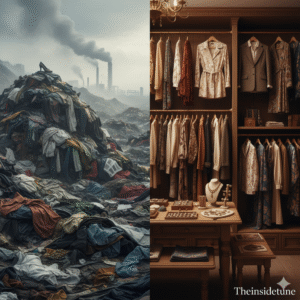
⚡ The Birth of Fast Fashion
The phrase “fast fashion” appeared in the late 20th century, but its real power exploded in the early 2000s — when big brands figured out they could shrink production time, cut costs, and release new styles every few weeks.
It sounded thrilling at first. Fashion for everyone! Endless options!
But that excitement came with a hidden cost — one we’re only now starting to understand.
Fast fashion changed how we see clothes. What used to be an expression of personality and care became a constant race to keep up. New trends dropped faster than we could wear the old ones. Social media intensified it — the unspoken pressure to appear “current,” to never repeat an outfit.
And with every scroll, click, and checkout, the planet paid the price.
🌍 The Cost of Cheap Fashion
Fast fashion runs on one simple equation: more production + less time = lower cost.
But what it saves in price, it loses in ethics — and in sustainability.
Here’s the reality behind that $15 dress or $10 T-shirt:
-
Overproduction: The fashion industry now produces over 100 billion garments every year. Many of them are worn less than ten times before being thrown away.
-
Waste: About 92 million tons of clothing end up in landfills annually. That’s roughly one garbage truck of textiles dumped every second.
-
Water Pollution: Textile dyeing is the second-largest polluter of clean water worldwide. Producing a single cotton shirt can use up to 2,700 liters of water — enough for one person to drink for 2.5 years.
-
Carbon Emissions: The fashion industry generates nearly 10% of global carbon emissions — more than all international flights and maritime shipping combined.
It’s a haunting image — one of beauty built on exploitation. The bright lights of fast fashion hide a darker truth: behind every cheap garment, there’s an invisible trail of environmental harm, underpaid labor, and waste that doesn’t vanish when the trend does.
🧶 How Fast Fashion Changed Our Mindset
Perhaps the biggest shift wasn’t in production — it was in perception.
Fast fashion taught us to see clothing as disposable. To treat something as temporary even before we’ve worn it.
Psychologically, this constant cycle of “newness” feeds instant gratification but kills long-term appreciation. We stopped forming emotional bonds with our clothes — and in turn, we stopped respecting them.
Think about it. When something costs less than your lunch, how much can you truly value it?
And yet, deep down, there’s a growing fatigue. Many of us feel it — that hollow satisfaction after another impulse buy, followed by regret and clutter. It’s not just our closets that are full; it’s our minds.
We crave something more honest. Something with substance.
💔 The Human Cost Behind the Seams
Behind every cheaply made shirt, there’s often a woman working in unsafe conditions, paid less than a living wage, producing hundreds of garments a day.
Factories in countries like Bangladesh, Vietnam, and Cambodia have become the backbone of fast fashion’s “efficiency.”
In 2013, the Rana Plaza disaster in Bangladesh exposed this dark reality. An eight-story factory building collapsed, killing over 1,100 garment workers — mostly women. They were making clothes for some of the world’s biggest brands. The tragedy shook the world, but it didn’t stop the machine. Production resumed. Prices stayed low.
The truth is, fast fashion’s affordability comes at a human cost.
And once you understand that, it’s impossible to look at a $5 T-shirt the same way again.
🌿 Why the World Is Slowing Down
The good news? Change is happening — and it’s coming from people, not corporations.
More and more consumers are realizing that cheap isn’t actually cheap. The true cost of fast fashion is paid by the planet, by people, and by future generations. That awareness is leading to a cultural shift — a longing for authenticity, quality, and consciousness.
That’s why vintage fashion is experiencing such a powerful revival. It represents everything fast fashion lost: meaning, individuality, craftsmanship, and care.
In a world of mass production, vintage is the antidote — a return to fashion that feels human again.
✨ The Emotional Burnout of Fast Fashion
Fast fashion also drained the joy out of dressing up. When every trend changes in a heartbeat, fashion becomes exhausting instead of inspiring. It’s no longer about expressing who you are — it’s about keeping up with what’s next.
But style, real style, was never meant to be rushed.
True fashion has rhythm — it evolves slowly, like character. It tells stories, not schedules.
That’s why people are now turning back to slow fashion, thrifted treasures, and vintage finds. Because when you buy something pre-loved, you’re not just buying an item — you’re buying time, history, and emotion. It’s not just sustainable; it’s satisfying.
🕰️ A Moment of Realization
Stand in front of your closet for a moment.
How many of those clothes do you actually love? How many were bought on impulse, worn once, and then forgotten?
That quiet guilt we feel — the “I have nothing to wear” despite having everything — is the echo of fast fashion’s emptiness. It’s the realization that quantity can’t replace connection.
And that’s where sustainability begins — not in a brand’s marketing slogan, but in our personal choices. It starts with asking: Do I really need this? Will I cherish it?
Vintage fashion offers the answer — yes, you can have beautiful, expressive, high-quality pieces without taking more from the planet.
🌸 Why Change Is Not Only Necessary — It’s Beautiful
The truth is, we can’t continue this pace forever. Our planet is tired. The oceans, the soil, and the air — they’ve all absorbed too much of our carelessness. But the beauty of fashion is that it can reinvent itself. It can lead change instead of causing harm.
When we choose vintage, we’re not rejecting modern fashion — we’re redefining it.
We’re showing that the future of fashion doesn’t have to be faster. It can be smarter, slower, and so much more meaningful.
Sustainability isn’t a limitation; it’s liberation — from trends that don’t last, from clutter that doesn’t satisfy, from cycles that don’t serve us.
Vintage gives us back something precious: the joy of loving what we wear.
💫 A New Era Dawns
Fast fashion gave us convenience, but vintage gives us connection.
And connection is what humans crave most.
We’re entering a new era — one where conscious consumers, sustainable designers, and creative thrift lovers are reshaping the narrative. Fashion doesn’t have to cost the earth anymore. It can tell stories, build community, and inspire change — all while looking effortlessly chic.
So yes, the world of fast fashion grew fast — too fast.
But the return to vintage reminds us that some of the best things in life aren’t rushed; they’re rediscovered.
And maybe the most stylish thing any of us can do right now is slow down.
How Vintage Fashion Protects the Planet
If you look closely, every vintage piece carries quiet power.
A 1970s denim jacket, a silk scarf from your mother’s youth, or a retro bag picked up at a thrift store — these pieces aren’t just stylish. They’re saving the planet in small but meaningful ways.
Vintage fashion is sustainability disguised as style. It’s proof that fashion doesn’t need to be new to be beautiful — or to make a difference.
In a world drowning in textile waste and overproduction, vintage whispers something bold:
“We already have enough. Let’s just love it better.”
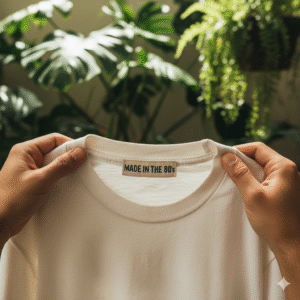
♻️ Reuse: The Most Powerful Sustainable Act
Let’s start with something simple — reusing what already exists.
Because honestly, the greenest item of clothing you can own is the one that’s already been made.
Every vintage outfit you wear means one less new garment needs to be produced. That might sound small, but it’s huge when you think of the bigger picture.
Producing just one cotton shirt can take 2,700 liters of water — that’s about three years’ worth of drinking water for one person.
Now imagine skipping that entire process because you chose a pre-loved shirt instead.
That’s what makes vintage so quietly powerful. It’s like telling the planet, “I’ll take care of what’s already here.”
Every reused garment extends its life cycle — and the longer something is worn, the less impact it leaves behind. So each thrifted jacket or secondhand skirt isn’t just fashion. It’s activism with a zipper.
🌱 Lower Carbon Footprints — Without Compromising Style
Fashion is fun — but it’s also one of the world’s biggest polluters.
Every year, it contributes nearly 10% of global carbon emissions, which is more than all international flights combined.
Fast fashion thrives on constant production — growing cotton, weaving polyester, dyeing, transporting, packaging, selling. It’s a full chain of energy and emissions.
But here’s where vintage wins:
That jacket from the 1990s? Its carbon cost was already paid decades ago. When you wear it now, you’re not adding new emissions — you’re giving existing fashion a new life.
According to the Ellen MacArthur Foundation, wearing clothes twice as long cuts their carbon impact by almost half.
So yes — every time you wear something vintage, you’re not just expressing yourself; you’re actively reducing your carbon footprint without sacrificing an ounce of style.
💧 Water — The Hidden Victim of Fashion
We rarely think about water when shopping, but it’s the lifeblood of fashion — and also one of its biggest casualties.
From growing cotton to dyeing fabrics, the fashion industry consumes around 93 billion cubic meters of water each year.
To put it simply: your jeans, your t-shirt, even your socks — they’ve all soaked up rivers’ worth of clean water before reaching you.
Vintage fashion, on the other hand, doesn’t need any new water.
The garment already exists — no new cotton needs to be grown, no new dye needs to be mixed, no new washing needs to happen.
Just by choosing a vintage pair of jeans, you could save around 7,000 liters of water. That’s the same amount you’d drink in five years.
Every secondhand outfit you wear is a quiet act of conservation — stylish, effortless, and deeply impactful.
🌬️ Keeping Clothes Out of Landfills
Here’s a number that’s hard to ignore:
The world throws away over 92 million tons of clothing every single year.
Most of it ends up buried in landfills or burned, releasing toxic chemicals into the air and soil. Synthetic materials like polyester can take up to 200 years to decompose — which means a dress discarded today might still be here in 2225.
That’s a haunting thought, isn’t it?
But vintage fashion interrupts that cycle beautifully.
When you buy pre-loved pieces, you stop them from reaching the landfill. You turn “waste” back into worth.
Vintage keeps clothes alive. It honors the craftsmanship, the material, and the story behind every seam.
And in doing so, it reminds us that clothes aren’t meant to be disposable — they’re meant to be cherished.
🪡 Preserving the Art of Craftsmanship
Vintage clothes weren’t made for mass consumption; they were made with care.
You can feel it — in the stitching, in the fabric weight, in the tiny details like hand-sewn buttons and sturdy hems.
Wearing vintage means keeping that craftsmanship alive.
You’re celebrating the work of skilled tailors, weavers, and designers who built fashion before speed replaced quality.
It’s more than just sustainability — it’s preservation.
You’re saving artistry from being forgotten. You’re honoring the slow, deliberate creation that today’s world often overlooks.
And honestly? That kind of mindful elegance never goes out of style.
🔁 Vintage as the Original “Circular Fashion”
Sustainability experts talk about circular fashion — a system where clothes are reused, recycled, and never wasted.
But vintage has been doing that all along.
When you buy or sell a vintage piece, you’re part of a continuous cycle — clothes moving from one life to another, from one wardrobe to the next.
No new resources. No new waste. Just endless creativity and circulation.
It’s fashion that doesn’t have an ending — only new beginnings.
🧶 Teaching Us to Slow Down
Shopping vintage isn’t about filling your closet. It’s about finding meaning.
You browse slowly. You look closely. You feel fabrics. You listen to stories. You connect.
That experience is the opposite of fast fashion’s frenzy. It’s calm, thoughtful, and deeply personal.
Vintage fashion encourages a slower way of consuming — one that prioritizes intention over impulse.
Instead of chasing trends, you build a wardrobe that reflects you — timeless, original, and real.
This shift from consumption to connection is what true sustainability looks like.
🌸 When Small Choices Become Global Change
Sometimes people think, “What difference does one purchase make?”
But when millions of people make the same mindful choice, it changes everything.
Global resale and vintage markets are already proving this. In 2024, the secondhand clothing industry was valued at over $200 billion, and it’s expected to outgrow fast fashion by 2030.
That’s not just impressive — it’s revolutionary.
It means people everywhere are waking up to a new mindset: that sustainability can be stylish, that individuality can replace excess, and that the future of fashion doesn’t have to cost the Earth.
💚 Emotional Sustainability — The Heart of It All
Here’s something rarely discussed: sustainability isn’t just physical; it’s emotional.
When you buy a vintage dress, you feel something. You wonder who owned it before, what stories it carries, how it survived time. That connection makes you treat it differently — with love, care, and respect.
That’s emotional sustainability. It’s about forming bonds with what we own, not discarding it when something shinier comes along.
And the more emotionally connected we are to our clothes, the less likely we are to waste them.
In other words: when you love your wardrobe, the planet loves you back.
✨ The Future Is Vintage
We live in a time where “eco-friendly” has become a buzzword, printed on labels everywhere. But vintage doesn’t need a green tag — it already embodies what sustainability is all about.
It’s fashion that’s lived.
It’s luxury that’s earned.
It’s creativity that’s conscious.
When you choose vintage, you’re not just keeping up with a trend — you’re helping shape the future.
The future of fashion is circular, mindful, and rooted in appreciation rather than excess.
It’s a future where beauty and responsibility walk hand in hand — and vintage is leading the way.
The Emotional Connection — Why Vintage Feels More Meaningful
There’s something almost poetic about vintage fashion.
It’s not just about the fabric, the cut, or the label — it’s about the feeling. The moment you slip into a vintage dress or a classic denim jacket, it’s as if you’re stepping into another life — a story half-told, waiting for you to continue it.
In a world obsessed with “new,” vintage stands for something deeply human — memory, emotion, and authenticity.
It allows us to connect with the past while expressing who we are right now. That’s why, for so many people, vintage clothing isn’t just an aesthetic — it’s an emotion.
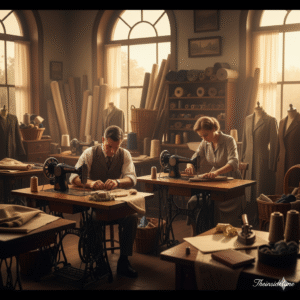
🕰️ Wearing History, Not Just Clothes
Every vintage piece carries a trace of time — a whisper of a different era. A silk scarf from the 1950s still smells faintly of old perfume; a military jacket from the ‘70s feels like rebellion stitched into fabric.
When we wear vintage, we’re not just putting on clothes — we’re wearing history.
Each thread holds stories of the people who owned it before us, the trends it survived, the moments it witnessed.
Unlike fast fashion, which begins and ends within a season, vintage lives many lives. It’s a bridge between generations — connecting us to moments we never lived but somehow understand.
That’s the quiet beauty of it — you don’t just wear it, you inherit it.
🪞 Identity and Self-Expression
In the fast fashion world, trends dictate what’s “in.” But in the vintage world, you decide what’s timeless.
Choosing vintage gives you creative freedom — the chance to express your unique personality without conforming to mass-produced sameness.
A vintage outfit feels like your own secret language — a mix of eras, patterns, and stories that reflect your soul.
Someone might wear a ‘90s oversized blazer with a 2000s handbag and a ‘70s band tee — and that combination says more about who they are than any trending look ever could.
Vintage gives people permission to break rules, experiment, and own their individuality. It’s fashion without pressure — a canvas for self-expression rather than imitation.
And that’s what makes it emotional. You’re not wearing what everyone else is; you’re wearing what speaks to you.
💫 Nostalgia — The Comfort of the Past
We live in an age of constant change — new technologies, new trends, new everything. Sometimes, it’s overwhelming. Vintage fashion offers something our hearts crave — nostalgia.
It brings back the warmth of simpler times: the romantic silhouettes of the ‘50s, the free-spirited vibe of the ‘70s, the rebellious edge of the ‘90s. Each piece reminds us of cultural moments that shaped the world — or the people who shaped us.
For many, wearing vintage feels like reconnecting with childhood memories — seeing their mother’s polka-dot dress, their grandfather’s tweed coat, or the colors of old photographs.
It’s not just style; it’s comfort. It’s memory you can wear.
In that way, vintage fashion becomes emotional therapy — a form of gentle rebellion against the fast, fleeting pace of modern life.
💬 4. Sentiment and Soul — The Invisible Value
Fast fashion gives us convenience; vintage gives us connection.
A secondhand shirt might cost less than a coffee, but a vintage shirt feels priceless. Because it holds meaning — something that can’t be mass-produced.
Each vintage item carries an invisible kind of value: emotional, historical, cultural. You feel it when you hold a well-worn leather bag — the soft edges, the faded marks — they’re reminders that this item has lived.
We often talk about “buying memories,” but in vintage fashion, you’re also continuing them. You become a part of that item’s story, adding your chapter to its journey.
It’s like a living diary — written not in ink, but in fabric.
🌈 The Power of Storytelling
Humans are storytellers by nature, and vintage fashion gives us tangible stories to tell.
You might not know who first owned that ‘60s floral dress, but you can imagine — a summer party, a first date, laughter under dim lights.
Those stories spark curiosity, connection, and imagination. They make fashion alive.
And in an era where most clothes are worn a few times and forgotten, vintage stands out because it invites us to remember.
When someone compliments your vintage look and you say, “It’s from the 1980s — found it in a tiny shop in Florence,” that story becomes part of your style. It turns a simple outfit into a conversation, a memory, an experience worth sharing.
🌿 Slowing Down — The Mindful Pleasure of Vintage Shopping
Fast fashion is about instant gratification — click, buy, wear, repeat.
Vintage shopping is the opposite — it’s an adventure.
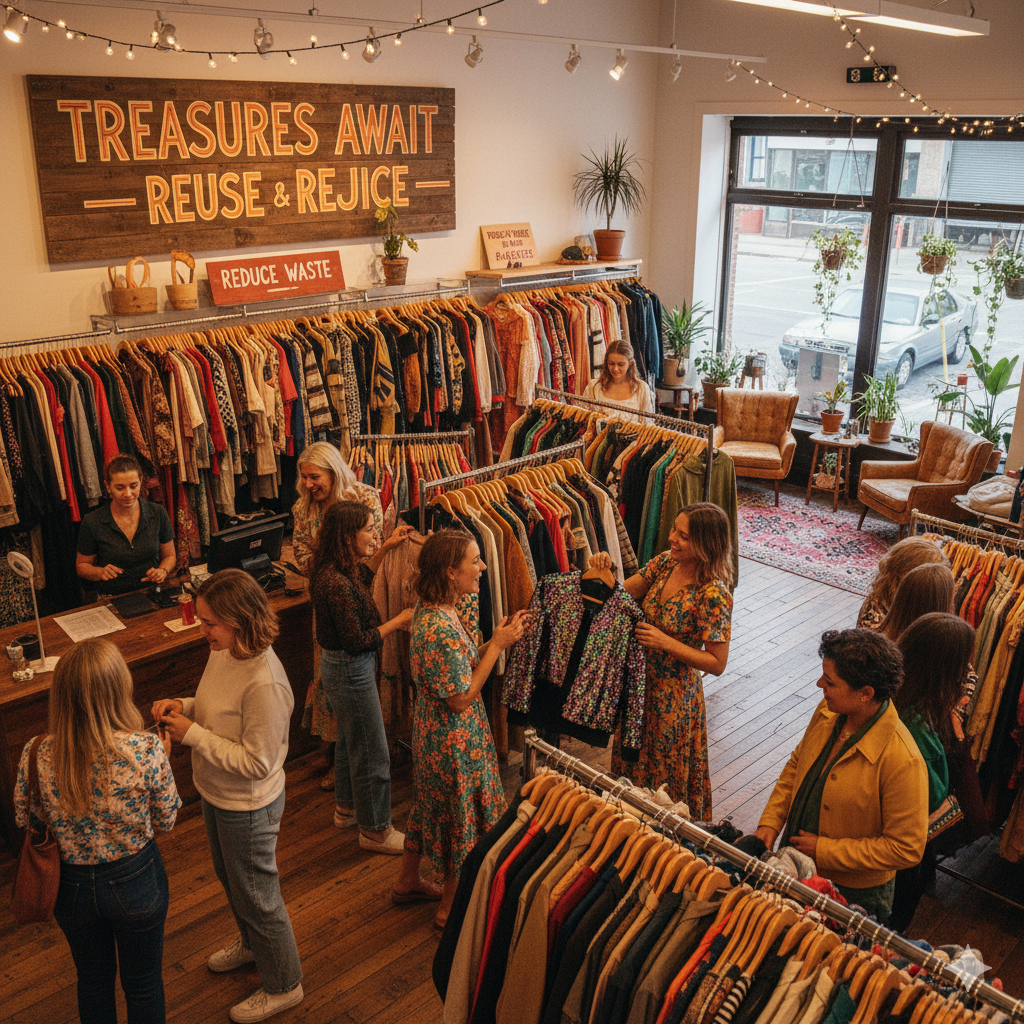
You walk into a thrift store or a vintage boutique, and every rack holds mystery. You search, touch, explore, discover. It’s not about finding perfection; it’s about finding something real.
That slower, more mindful process changes the way we relate to fashion.
It makes us appreciate craftsmanship, materials, and uniqueness. It teaches us patience and joy in discovery — feelings often lost in today’s online shopping scroll.
You don’t just buy a vintage piece — you find it.
And that makes the connection much deeper.
🧵 Heirlooms and Legacy — The Sentimental Thread
For many people, vintage fashion begins at home.
A mother’s sari, a grandmother’s coat, a father’s old watch — these aren’t just items of clothing; they’re family legacies woven into fabric.
Wearing them keeps memories alive. It’s a way of holding onto love, of turning remembrance into something tangible.
Each time you wear a family heirloom, you’re telling a story of belonging — passing down not just a garment, but an emotion.
That’s the emotional core of vintage fashion — it’s not disposable. It’s cherished. It’s kept.
✨ The Psychology of Emotional Attachment
Studies show that when we form emotional attachments to clothes, we’re less likely to discard them — which directly supports sustainability.
Vintage fashion naturally encourages that attachment because it already has emotional weight. It’s connected to time, people, and stories.
You don’t easily throw away something that feels alive — you care for it, repair it, and treasure it.
That’s emotional sustainability — keeping clothes longer because they mean something.
It’s not about guilt; it’s about gratitude.
You appreciate what you own because it carries part of your identity.
🪄 Fashion as a Memory Keeper
Fashion has always been tied to memory — a scent, a texture, a color can bring back moments we thought we’d forgotten.
Vintage fashion amplifies that magic.
It holds fragments of the past not as something gone, but something living. It allows us to wear memory, to express nostalgia, and to remind ourselves that beauty doesn’t have to fade.
Each vintage outfit is like a time capsule — full of stories, laughter, and lives intertwined with ours.
💚 In the End — Why We Feel Vintage So Deeply
At its heart, vintage fashion is emotional because it mirrors our humanity.
It ages gracefully, carries scars beautifully, and grows richer with time — just like us.
It teaches us that nothing truly meaningful needs to be perfect or new. That beauty can live in imperfection, and that love — even for clothing — can be timeless.
In a world that tells us to move faster, vintage reminds us to pause, remember, and feel.
It whispers, “Slow down. Appreciate. Reconnect.”
Because fashion isn’t just about what we wear — it’s about what we feel when we wear it.
And vintage fashion, more than any trend, reminds us that style isn’t temporary — it’s emotional, eternal, and beautifully human.
The Economic & Cultural Revival of Vintage Fashion — From Niche to Mainstream Luxury
The Sustainability Secret Behind Vintage Fashion
Once upon a time, secondhand clothes were worn out of necessity, not choice. But today, vintage fashion has become a global movement — a symbol of individuality, creativity, and conscious living. What once hid in thrift stores now walks down runways and shines on red carpets.
Vintage isn’t “old” anymore — it’s iconic. It’s where sustainability meets culture, and timeless beauty meets modern consciousness.
🌎 The Global Boom of Vintage Fashion
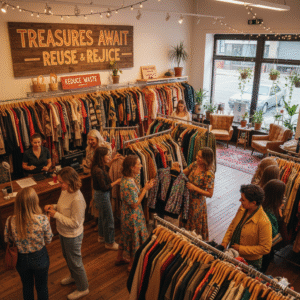
The secondhand market is thriving. According to ThredUp’s 2025 Resale Report, it’s expected to hit $350 billion by 2030, outpacing fast fashion by far.
What’s driving this surge? A shift in values.
People are tired of disposable trends and want clothes that tell stories — garments that reflect craftsmanship, character, and care.
From Tokyo to Paris to New York, vintage shops are now creative sanctuaries. Shoppers aren’t buying “used clothes” — they’re collecting wearable art. Vintage has become a global language of nostalgia and renewal.
👗 From Thrift Racks to Runways
What was once underground is now high fashion.
Luxury houses like Gucci, Dior, and Saint Laurent are reimagining vintage influences. Celebrities such as Zendaya, Bella Hadid, and Rihanna have made vintage a red-carpet statement.
Even resale platforms like Vestiaire Collective and The RealReal have elevated secondhand shopping into a luxury experience.
Today, a vintage Prada bag or a Versace blazer can sell for more than it did decades ago.
Vintage is no longer secondhand — it’s first-class.
💎 The Rise of the “New Luxury”
Luxury used to mean exclusivity; now, it means sustainability and story.
Modern consumers crave authenticity — something made with purpose. A vintage Hermès scarf or a Burberry trench carries history, emotion, and craftsmanship.
This is “the new luxury”: style that’s thoughtful, not wasteful.
Buying vintage is now a sophisticated choice — a balance of elegance and environmental awareness.
📈 Circular Fashion & Economic Empowerment
The vintage movement fuels a circular economy where clothes are reused, repaired, and resold — keeping garments in circulation and waste out of landfills.
Platforms like Etsy, Depop, and Vinted empower small sellers and independent curators. They’ve turned passion into livelihood, and fashion into community.
Vintage has democratized style — giving creative power back to individuals, not corporations.
💃 Celebrities and the Vintage Revolution
When icons like Zendaya, Rihanna, and Timothée Chalamet wear vintage, it sends a clear message: sustainability is stylish.
Stylists now source from archives rather than showrooms, reviving fashion history for new audiences.
On Instagram and TikTok, influencers proudly show off vintage finds, inspiring millions to see “old clothes” as modern treasures.
For Gen Z and Millennials, vintage isn’t outdated — it’s authentic and cool.
🕯️ Vintage as Cultural Rebellion
Vintage fashion is also a quiet protest.
In a world obsessed with fast fashion, wearing vintage says, “I choose creativity over conformity.”
Every youth movement — punk, grunge, bohemian — used vintage to challenge norms.
Today, young people wear it to express values: sustainability, diversity, and individuality.
It’s more than nostalgia; it’s resistance — and reinvention.
🛍️ The Digital Age of Vintage Shopping
Technology has transformed vintage fashion.
AI tools now help authenticate items, while apps make global shopping effortless. A 1960s Parisian dress or a 90s Nike jacket is just a click away.
Social media has turned vintage into digital storytelling — every piece with a searchable past and a shareable future.
Vintage now thrives in both closets and code.
🧠 Vintage as Living Culture
Vintage fashion is living history.
Every garment carries the mood of its time — the freedom of 70s denim, the power of 80s blazers, the elegance of 50s silhouettes.
For designers and students, vintage is education in fabric form — a chance to study how society once expressed itself through style.
By wearing vintage, we keep culture alive — not in museums, but in our wardrobes.
💬 When Sustainability Meets Style
Vintage proves that ethical fashion doesn’t have to be minimalist.
It lets you be bold — sequins, colors, prints — all guilt-free.
It’s where glamour meets goodness, where sustainability feels sexy, expressive, and timeless.
🌿 From Trend to Timeless Movement
Vintage fashion isn’t a passing trend — it’s a mindset.
It’s teaching us to slow down, buy less, and value more.
It’s redefining beauty, ownership, and the future of style itself.
In a world obsessed with what’s next, vintage reminds us that the most sustainable fashion is the one that already exists.
Because true style doesn’t expire — it evolves.
ething rare — the chance to honor yesterday while dressing for a better future.
The Future of Vintage — How Sustainability, AI & Conscious Design Are Shaping What Comes Next
As the fashion world races toward the future, vintage stands as both a reminder and a revelation. It whispers lessons from the past — of craftsmanship, patience, and authenticity — while lighting the path toward a more ethical tomorrow.
We are now entering an era where technology meets tradition, where AI curates history, and where sustainability becomes style itself.
And vintage fashion, once considered a nostalgic niche, is now one of the most powerful forces shaping that future.
⚙️ The Tech Revolution Meets Vintage Charm
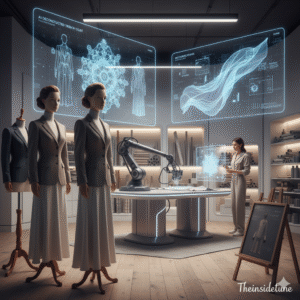
Technology is transforming how we find, authenticate, and wear vintage.
AI algorithms now help detect counterfeit vintage pieces by analyzing stitching, material, and design patterns. Image recognition tools can identify the year and collection of a vintage item within seconds. Blockchain systems are even being used to trace a garment’s origin — verifying its authenticity and journey from the past to the present.
Virtual try-ons, 3D garment mapping, and digital archiving are also helping consumers experience vintage fashion in new ways.
Imagine virtually “trying on” a 1970s Gucci coat through an AR app before buying it — or using an AI stylist to find vintage pieces that perfectly match your body and personality.
This fusion of old-world artistry and new-world technology is turning vintage shopping into an experience that’s both magical and modern.
💻 AI and the Rise of Smart Sustainability
Artificial intelligence is not just digitizing fashion — it’s decoding sustainability.
By analyzing consumer behavior, supply chains, and resale data, AI helps identify what makes people value and preserve clothes. This insight encourages brands to design with longevity in mind — quality over quantity, durability over disposability.
Platforms like ThredUp, Vestiaire Collective, and eBay use AI to recommend pre-loved pieces to buyers, matching them by style, fit, and era — making vintage more accessible than ever before.
In this way, AI becomes an unlikely ally of the planet — helping vintage fashion grow without overproducing anything new.
It’s a beautiful paradox: the newest technology is helping us value the oldest things we own.
🌿 The Age of Conscious Consumers
Today’s consumers — especially Gen Z and Millennials — are more eco-aware than any generation before. They don’t just ask “What does it look like?” but also “Where did it come from?”
They want transparency, ethics, and meaning in what they wear. And vintage fashion answers all three.
This new consciousness is changing the entire industry. People are proudly mixing vintage with contemporary, rejecting overconsumption, and viewing clothes as investments rather than impulses.
Vintage has become a badge of honor — a quiet statement that says, “I care about the planet, but I also care about style.”
The more consumers make conscious choices, the more brands are forced to rethink their models — proving that personal choices can drive global change.
🪡 Designers Reimagining the Past
The line between vintage and modern design is blurring — and beautifully so.
Contemporary designers are no longer chasing “the next big thing.” Instead, many are diving into archives, reviving forgotten silhouettes, and upcycling old materials into new creations.
Labels like Marine Serre, Stella McCartney, and Gabriela Hearst are leading this movement, crafting new collections from repurposed or vintage fabrics. Even major fashion houses now host “archive capsule” collections, reintroducing classic designs with a modern twist.
This revival is not about copying the past — it’s about collaborating with it.
It’s a dialogue between generations of fashion — between what once was and what can be again.
🌈 The Digital Vintage Closet
As we move deeper into the digital age, vintage fashion is finding a new home online — and even in the metaverse.
Brands are creating digital vintage collections — virtual garments inspired by real-world classics — allowing people to own a piece of fashion history in a purely digital form.
Sustainability also thrives in this realm. Digital clothing leaves zero carbon footprint and allows fashion enthusiasts to experiment with style without consuming real materials.
Apps like Whering and Smart Closet are helping people digitize their wardrobes, encouraging them to reuse, mix, and match — making every piece, vintage or new, last longer.
The vintage closet of the future may not just hang on a rack — it may live in the cloud, accessible anytime, anywhere, by anyone.
💬 The Future Economy: Resale as the New Retail
The fashion economy is shifting from ownership to circulation.
Instead of buying new and discarding old, the future is about buying, wearing, reselling, and re-wearing — again and again. This “resale economy” is set to redefine the retail industry.
Major retailers like Levi’s, Patagonia, and H&M have already launched resale or repair programs, inspired by the success of vintage culture.
It’s not just about selling old clothes — it’s about building new relationships with customers who value sustainability.
This circular model means fashion never truly dies; it just changes hands, stories, and lives.
In a world where waste is no longer fashionable, resale is the new retail.
✨ Emotional Sustainability — The Heart of the Future
While technology is shaping how we experience vintage, emotion still shapes why we love it.
The future of sustainable fashion isn’t just about smart tools — it’s about soulful design. Brands are learning that emotional connection is the secret to longevity.
When clothes carry meaning — when they remind us of a memory, a story, or a person — we’re far less likely to throw them away.
That’s the philosophy driving both vintage culture and the future of sustainable fashion: wear what you love, keep what you value.
In the future, success won’t be measured by how much we buy, but by how deeply we connect to what we own.
🧠 Education & Awareness — A Generation Learning Differently
Sustainability is no longer just an idea — it’s an education.
Schools, fashion programs, and cultural institutions are teaching students about textile recycling, ethical production, and vintage restoration.
Young designers are being trained to think circularly — to treat clothes not as commodities, but as companions.
Museums and archives are also collaborating with tech innovators to preserve and digitize historic garments — ensuring that future generations can learn from the craftsmanship of the past.
This isn’t nostalgia — it’s knowledge preservation.
The more we understand where fashion comes from, the better we can design where it’s going.
🕊️ The Slow Fashion Renaissance
Fast fashion’s reign is slowly fading — replaced by a movement that celebrates patience, mindfulness, and artistry.
The slow fashion movement, deeply influenced by vintage ideals, emphasizes quality over quantity, care over consumption, and meaning over marketing.
We are witnessing a renaissance — a cultural return to thoughtful dressing, where each garment tells a story.
It’s not about having more clothes; it’s about having more connection to the clothes we already have.
Vintage fashion is both the muse and the mentor of this revolution.
💚 It’s proof that beauty doesn’t fade with age — it evolves.
In the years ahead, vintage will continue to inspire sustainable innovation, responsible creativity, and emotional depth in fashion design.
The future won’t just wear vintage — it will live by its values.
Because vintage isn’t about the past anymore. It’s about the possibility of a world where fashion is both expressive and ethical, luxurious and lasting, creative and conscious.
That’s the secret — the sustainability secret behind vintage fashion — not just to preserve style, but to preserve the planet and the human spirit that creates it.
Building Your Own Sustainable Vintage Wardrobe — A Modern Guide to Dressing with Purpose
There’s something magical about opening your closet and seeing pieces that each tell a story — a velvet jacket that’s danced through the 70s, a silk scarf that’s seen Paris, or a denim pair that’s aged beautifully over time.
That’s the soul of a vintage wardrobe — it’s not just clothing; it’s a personal museum of style, memory, and meaning.
In a world obsessed with trends that change overnight, creating a vintage-inspired wardrobe is a quiet act of rebellion — a way to say “I choose timelessness over turnover.”
But how do you actually build one? Let’s explore.
🪡 Start with the Why — Your Personal Vintage Philosophy
Before you buy your first piece, take a moment to reflect: Why do you want to wear vintage?
Is it the sustainability? The craftsmanship? The romance of history?
Understanding your “why” shapes your entire journey.
If sustainability is your reason, you might prioritize natural fabrics and ethical sources.
If it’s style and individuality, you’ll gravitate toward statement pieces that express your personality.
Your vintage wardrobe should feel like you — not a costume from another era, but an evolution of your own identity.
🧳 Research the Eras that Speak to You
Every decade tells a different story through fashion.
The 1950s were about femininity and structure — cinched waists, full skirts, and elegant silhouettes.
The 1970s celebrated freedom — flowy fabrics, earthy tones, and bohemian vibes.
The 1990s brought minimalism — clean lines, denim, slip dresses, and effortless cool.
When you start exploring, notice which eras resonate with you emotionally.
Do you feel drawn to the bold prints of the ‘80s or the romantic simplicity of the ‘60s?
Building a vintage wardrobe is like curating your own timeline of beauty and meaning.
It’s not about copying the past — it’s about finding which part of history you want to carry forward.
🛍️ Where to Find True Vintage Treasures
The thrill of the hunt is half the fun.
You can start small — explore thrift stores, flea markets, charity shops, or even your family’s closets.
Sometimes, the most authentic vintage pieces are waiting quietly in forgotten corners.
Online, there’s a world of possibilities:
Platforms like Etsy, Depop, The RealReal, and Vestiaire Collective offer curated vintage selections with verified sellers.
Instagram thrift boutiques and local vintage pop-ups are also amazing for discovering unique finds and supporting small businesses.
When you shop, remember: vintage fashion rewards patience.
You might not find your dream piece immediately — but when you do, it’ll feel like fate.
🪞 Learn to Recognize Quality
True vintage stands out because it was made to last.
Look for natural materials like wool, silk, cotton, or linen.
Examine the stitching — if it’s neat and sturdy, you’re holding craftsmanship that was built for longevity.
Check for metal zippers, strong buttons, and lining — all signs of old-school quality.
Unlike modern fast fashion, which often prioritizes speed over substance, vintage pieces tell stories of care, detail, and human hands.
When you hold one, you’re holding history — and skill that deserves to be cherished.
💃 Mix Vintage with Modern — Make It Yours
One of the most beautiful things about vintage fashion is how adaptable it is.
You don’t have to dress like you’re in a movie from the 1950s (unless you want to!).
The real magic happens when you mix eras — pairing a 1970s suede jacket with 2025 denim, or a vintage silk blouse with sleek modern trousers.
It’s about blending old and new until it feels authentically you.
Fashion should evolve with you — your vintage wardrobe is not a museum; it’s a living, breathing expression of your creativity.
So experiment, play, and reinvent. That’s what style is all about.
🧺 Care for Your Vintage Pieces Like Heirlooms
Caring for vintage clothes is both an art and an act of love.
Wash gently — handwash or use delicate settings when needed.
Avoid harsh chemicals and let clothes air dry when possible.
Store them properly — use padded hangers for delicate dresses, fold knits, and keep them away from direct sunlight.
If something tears or fades, don’t panic — repair it. A good tailor can bring life back to even the most delicate garments.
Remember: every stitch you save keeps a story alive.
Caring for your clothes is caring for the planet — and for the history woven into each thread.
🪶 The Joy of Slow Fashion
A vintage wardrobe naturally slows you down.
You start to think differently about shopping — less about instant trends, more about lasting love.
Each purchase becomes intentional.
Each item carries weight.
You start valuing less but better — fewer clothes, but ones that mean more.
That’s the heart of slow fashion — an appreciation for beauty that doesn’t rush.
When you choose vintage, you’re not just dressing sustainably — you’re learning patience, mindfulness, and gratitude.
🌿 Building a Capsule Vintage Closet
If you want to make your wardrobe more functional, think like a minimalist: build a vintage capsule collection.
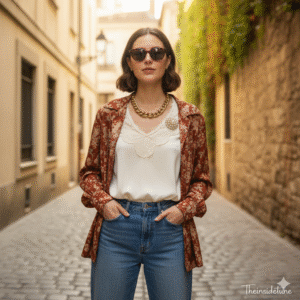
Start with timeless essentials — a classic blazer, a good pair of jeans, a white blouse, and one statement dress.
Then add unique pieces from your favorite eras to give your look character.
The goal isn’t to own a hundred vintage items — it’s to have a few that tell your story.
A capsule wardrobe makes dressing easier, more intentional, and effortlessly stylish.
Every piece should be something you love to wear, not just something you own.
💬 The Emotional Connection — Wearing Memories
There’s a quiet intimacy in wearing clothes that have lived before you.
Maybe the previous owner wore that coat to a concert in the ‘80s.
Maybe the dress was once someone’s favorite date-night outfit.
You may never know the exact stories — but you can feel them.
Vintage connects us through time — strangers linked by threads, emotion, and care.
Every time you wear a vintage piece, you add your own story to its history.
And one day, someone else might wear it and carry your chapter forward.
That’s the real magic of fashion — its ability to make memories wearable.
✨ Your Wardrobe, Your Legacy
When you start curating a vintage wardrobe, you’re doing more than building style — you’re building legacy.
You’re teaching yourself to value quality, to care for what you own, and to express yourself with purpose.
You’re stepping into fashion’s most sustainable, soulful movement — one that celebrates the past while shaping a better future.
And someday, your wardrobe might become someone else’s vintage — loved, rediscovered, and worn again with pride.
Because true style never dies. It just gets passed on.
The Global Vintage Movement — How Cultures Around the World Are Redefining Sustainability and Style
Fashion has always been a mirror of culture — a reflection of how people live, think, and dream. But something fascinating is happening around the world right now.
Across continents and generations, people are rediscovering a love for the old, the rare, and the meaningful.
Vintage fashion has quietly grown from a niche hobby into a global movement — one that connects cities, cultures, and creative minds through the shared belief that style doesn’t have to cost the planet.
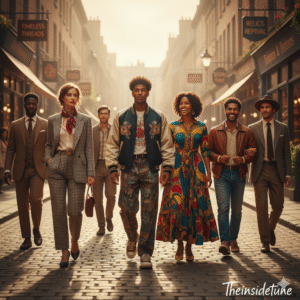
This movement isn’t just about looking back; it’s about moving forward with purpose.
🗼 Paris: The Heartbeat of Timeless Elegance
In Paris, fashion is never rushed — it breathes.
You’ll see it in the narrow vintage boutiques tucked between cafés in Le Marais or Saint-Germain-des-Prés, where 1960s silk scarves hang beside perfectly tailored trench coats.
The French have long believed in effortless elegance, a kind of beauty that doesn’t shout but whispers. That’s why vintage fashion feels so natural here — it aligns with the Parisian philosophy of quality over quantity.
To the Parisians, sustainability isn’t a trend; it’s a mindset.
They invest in pieces that last, that tell a story, that age gracefully — just like fine wine.
A secondhand Chanel jacket, a pair of 1970s boots, a classic Hermès bag — these aren’t just fashion items. They’re history worn with pride.
🗾 Tokyo: The Art of Reinvention
If Paris celebrates elegance, Tokyo celebrates creativity.
Here, vintage fashion isn’t just preserved — it’s reimagined.
Wander through Harajuku or Shimokitazawa, and you’ll see how Japanese youth mix decades and styles with fearless imagination. A 1980s bomber jacket over a 1950s dress, sneakers with kimono-inspired prints — the combinations are endless, playful, and deeply personal.
Japan’s love for craftsmanship and respect for longevity aligns beautifully with the vintage movement.
Many Japanese designers and consumers value wabi-sabi — the beauty found in imperfection and age. A faded denim jacket or a gently frayed hem isn’t a flaw — it’s character.
Tokyo’s vintage scene is more than fashion; it’s a celebration of individuality and impermanence — proof that beauty can live in the worn and the well-loved.
🇬🇧 London: From Thrift to Trend
London’s vintage culture grew from rebellion.
It began in the thrift shops of Camden and Brick Lane, where punks and artists in the 1970s and 1980s turned secondhand clothing into a form of protest against conformity and consumerism.
What started as counterculture has now become couture.
London’s streets are filled with people wearing unique, pre-loved pieces — blending sustainability with subculture. From the polished retro looks of Notting Hill boutiques to edgy thrift finds in East London, the city has become a vintage capital in its own right.
And now, the movement is supported by a new generation of eco-conscious designers and stylists who champion upcycling, slow fashion, and creative reuse.
In London, wearing vintage isn’t just about the past — it’s about rewriting the future of fashion.
🇺🇸 New York: Vintage as a Lifestyle Statement
Across the Atlantic, New York City has transformed vintage shopping into a way of life.
Here, individuality rules — and vintage offers exactly that.
From the high-end vintage stores of SoHo to the hidden thrift gems of Brooklyn, New Yorkers see vintage not as “old clothes,” but as curated style with soul.
The city’s creative crowd — artists, musicians, designers — have made secondhand fashion the new badge of authenticity. It’s not about labels anymore; it’s about stories.
Vintage fashion fits perfectly into the city’s rhythm — bold, diverse, and unapologetically expressive.
Each piece is a conversation starter, a way of saying: I wear what feels right, not what’s trending.
🇸🇪 Scandinavia: Minimalism Meets Sustainability
In countries like Sweden, Denmark, and Norway, vintage fashion blends seamlessly with the Nordic values of simplicity and environmental respect.
Scandinavians have long embraced a “less but better” lifestyle — a mindset rooted in functionality, design, and nature.
That’s why their vintage fashion scene often feels clean, calm, and timeless.
You’ll find crisp white shirts, quality wool coats, and classic leather boots — each chosen carefully, worn often, and cherished deeply.
Vintage here isn’t loud; it’s quiet luxury — the kind that whispers refinement and responsibility.
It’s about conscious consumption and living with intention, two values that define the Nordic way of life.
🇮🇹 Italy: Vintage with Passion and Craft
In Italy, fashion is an art form — and art never expires.
From Milan to Florence, Italians approach vintage with reverence for craftsmanship.
They treasure garments made with real fabrics — silk, linen, leather — and tailoring that still feels alive decades later.
To Italians, vintage is part of la dolce vita — the sweet life that celebrates beauty, sensuality, and soul.
A 1970s Gucci belt or a 1960s Valentino dress isn’t “old”; it’s timeless.
Italian vintage markets like Mercatone dell’Antiquariato and Florence’s Santo Spirito flea market are living galleries where past meets passion.
Here, sustainability isn’t a duty — it’s a devotion to artistry and the joy of dressing well.
🇵🇰 Pakistan: Tradition Meets Conscious Revival
In recent years, Pakistan’s fashion culture has started embracing vintage and sustainability in its own unique way.
With a deep heritage of craftsmanship — hand embroidery, block printing, and fabric weaving — the idea of slow fashion has always existed here, even if it wasn’t called that.
You’ll find younger designers in Lahore, Karachi, and Islamabad reviving traditional textiles and reworking heirloom clothing into modern silhouettes.
Old wedding outfits are being upcycled into statement pieces; vintage jewelry and handmade shawls are being celebrated again.
Social media thrift collectives and small online stores are helping people discover the charm of pre-loved fashion in a culture that already values longevity and artistry.
Pakistan’s approach to vintage isn’t about copying Western trends — it’s about reconnecting with its roots and redefining sustainability through tradition.
🌐 The Global Thread That Connects Us
From Parisian elegance to Tokyo creativity, from London’s rebellion to Pakistan’s revival — one message echoes across borders: we’re all searching for meaning in what we wear.
The vintage movement has united people who may live thousands of miles apart but share the same vision — a world where fashion feels human again.
This isn’t about nostalgia. It’s about responsibility. It’s about realizing that our clothes can tell beautiful stories without writing a tragic one for the planet.
When you choose vintage, you become part of a quiet revolution — one stitched together by style, care, and consciousness.
✨ The Future of Fashion Is Global and Conscious
The global vintage movement isn’t slowing down.
In fact, it’s becoming one of the most powerful cultural shifts of our time — proof that beauty and ethics can coexist.
Whether it’s a sari passed down through generations in India, a thrifted coat in New York, or a reimagined shalwar kameez in Lahore — vintage fashion reminds us that style doesn’t have an expiration date.
In the end, we all wear stories — and the most sustainable story is one that continues to be told.
The Emotional Value of Vintage — Fashion with a Story
Every vintage piece carries a whisper of history — a reminder that fashion isn’t just about fabric, it’s about feeling. When you slip on a vintage jacket or a 70s dress, you’re not just wearing something old; you’re wearing someone’s story. Maybe it was once worn to a concert, a wedding, or a dreamy summer night decades ago. That emotional connection makes vintage fashion deeply human.
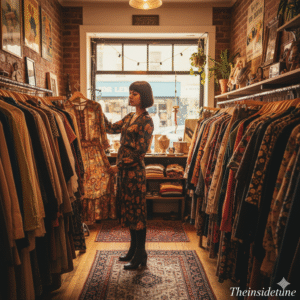
Unlike fast fashion, which often feels disposable, vintage has soul. It holds memories — the craftsmanship, the textures, the imperfections that tell you it’s lived a life before you. And that’s what makes it timeless. When you choose vintage, you’re not only saving a garment; you’re preserving a piece of human history.
Many people say wearing vintage feels like carrying a small piece of magic — an unseen bond between generations. That emotional durability is true sustainability. It’s fashion that lasts because it matters, not just because it’s trendy.
How to Start Your Sustainable Vintage Journey
Starting your vintage fashion journey isn’t about diving into a pile of old clothes — it’s about discovering beauty, meaning, and responsibility in what you wear. The best part? You don’t have to be an expert or spend a fortune to begin. You just need curiosity, patience, and a love for style that tells a story.
1. Begin with an Open Mind
Vintage shopping is like treasure hunting. You might not always find what you expect, but you’ll often discover something better. Be open to exploring different decades, styles, and silhouettes. Let yourself experiment — maybe a 90s blazer or a 60s floral dress is waiting to surprise you.
2. Do a Little Homework
Before you shop, learn about fashion eras and how to recognize authentic pieces. Small details — like zippers, tags, or stitching — can help you identify true vintage from modern reproductions. Reading up on the style of different decades also helps you develop a sharper eye.
3. Start Small and Meaningful
You don’t have to overhaul your entire wardrobe. Start with one or two statement vintage items — maybe a classic denim jacket, a vintage handbag, or a pair of retro sunglasses. Gradually, you’ll build a collection that feels personal and timeless.
4. Know Where to Shop
There are so many ways to shop vintage today:
-
Local thrift stores and flea markets — where you can find hidden gems at great prices.
-
Online vintage stores — platforms like Etsy, Depop, and Vestiaire Collective make it easy to shop globally.
-
Boutique vintage shops — perfect for curated, higher-quality finds with a story behind each piece.
The thrill of finding “the one” is like no other — each discovery feels special because it’s uniquely yours.
5. Learn to Care and Restore
Vintage clothing deserves love and care. Always check the label for fabric type, and wash or dry clean accordingly. Learn simple mending techniques — a loose button or torn seam shouldn’t scare you off. Restoring a piece gives it new life and deepens your bond with it.
6. Mix Vintage with Modern
The secret to looking effortlessly stylish? Blending eras. Pair a vintage skirt with a modern top, or style retro denim with trendy sneakers. Mixing the old with the new keeps your look fresh while still honoring sustainability.
7. Share and Swap
Fashion is even better when shared. Organize swap parties with friends or join local vintage communities. Trading clothes keeps fashion circular — and you might inspire others to rethink their shopping habits too.
8. Think Long-Term, Not Trend-Based
Building a vintage wardrobe is an investment in timelessness. Choose pieces that reflect who you are, not just what’s popular. When you buy what you truly love, you’ll wear it for years — and that’s the essence of sustainable style.
Choosing vintage is more than a fashion decision — it’s a lifestyle shift. It’s saying yes to individuality, creativity, and care for the planet. Each item you rescue from being forgotten becomes part of your story — a quiet rebellion against fast fashion and a step toward a more beautiful, mindful world.
The Future of Fashion — Retro Roots, Responsible Vision
Fashion has always been a reflection of who we are — our dreams, our identities, our time. But as the world becomes more aware of its environmental and social footprint, fashion is learning to look backward to move forward. The future, it seems, is beautifully vintage.
A New Consciousness in Style
The next era of fashion won’t just be about what looks good; it will be about what feels right — ethically, emotionally, and environmentally. People are no longer chasing fast-changing trends; they’re searching for meaning. And vintage fashion gives exactly that — clothing that connects us to history, humanity, and the planet.
Designers, brands, and consumers are all part of this shift. We’re seeing luxury houses reopening their archives, reissuing old designs, and reimagining them for modern audiences. Meanwhile, young designers are turning to vintage markets for inspiration, studying old patterns, fabrics, and techniques that valued quality over quantity.
Technology Meets Tradition
Technology is also playing a powerful role in preserving and reviving vintage fashion. From digital archives and AI-driven resale platforms to virtual try-ons and blockchain authentication, fashion is merging its past with the future. These tools help ensure that every vintage piece — whether a Dior dress from the 1950s or a 90s Levi’s jacket — can be traced, valued, and cherished like the work of art it is.
The Rise of the Circular Fashion Ecosystem
The idea of “circular fashion” — where clothing is reused, repaired, and reimagined — is no longer a niche movement. It’s the future model of the fashion industry. Vintage sits right at the heart of it, proving that sustainability and beauty can coexist. As more people embrace pre-loved pieces, fewer garments end up in landfills, and more creativity blooms in how we style, mix, and reinterpret fashion.
A Generation Leading Change
Gen Z and Millennials are redefining what it means to be fashionable. For them, sustainability isn’t a buzzword — it’s a lifestyle. They’re drawn to vintage not just for the aesthetics but for the values it represents: individuality, resourcefulness, and responsibility. Their choices are shaping a market where authenticity matters more than labels.
Fashion Comes Full Circle
In many ways, vintage fashion reminds us that clothing was never meant to be disposable. It was meant to be treasured, repaired, and passed on. The future of fashion is a return to that wisdom — where we buy less, choose better, and cherish longer. It’s not nostalgia; it’s evolution.
The next time you wear something vintage, remember — you’re not just dressing for the present. You’re keeping the past alive and shaping a more conscious future. In every thread, button, and stitch lies a promise: that style and sustainability can walk hand in hand, and that timeless fashion will always have a place in tomorrow’s world.